First-Timer's Guide to Bangkok Concerts and Live Music
Last updated: June 6, 2026
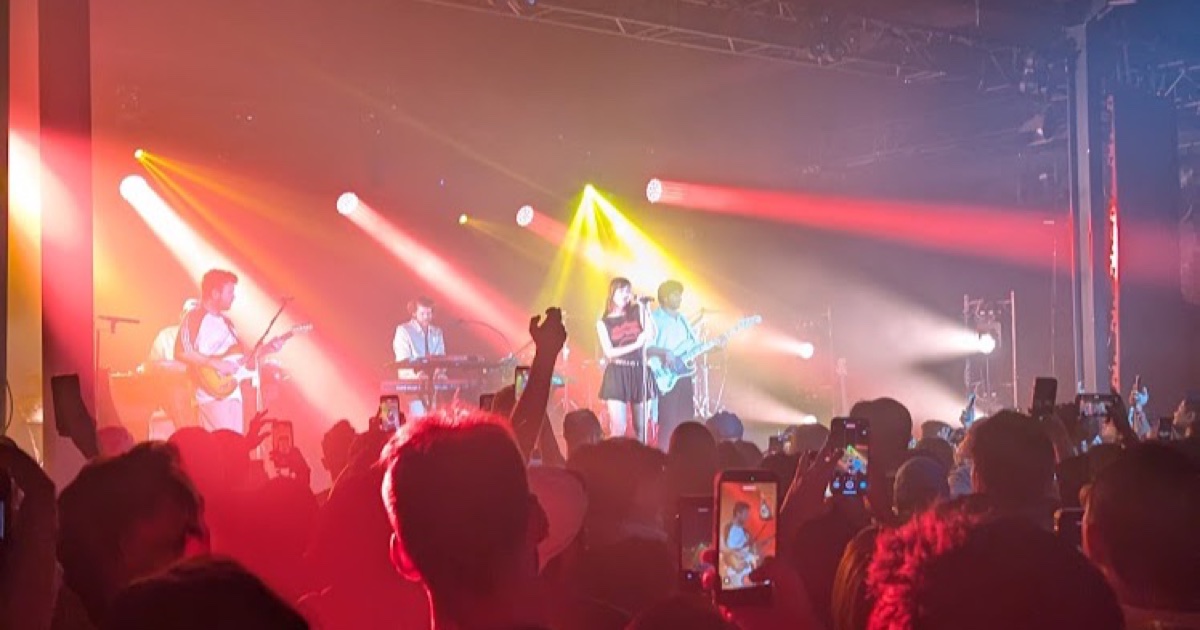
On a single Tuesday in Bangkok, you could choose between a Japanese shoegaze band playing to 200 people in Ari, a sold-out T-pop fanmeet at Lido, and a Coldplay-sized stadium show out at Rajamangala. The city has gone from "stop after Tokyo and Singapore" to a permanent third pillar of the Asian touring circuit, and underneath the international flow the local indie, J-rock, hardcore and jazz scenes put on shows almost every night of the week.
The catch is that nobody sells you all of it. Tickets are scattered across nearly a dozen platforms that don't list each other, venues hide in sub-sois Google Maps mislabels, and the best-curated information lives in Thai-language Facebook groups. LiveIn.city exists to pull every listing into one view. This guide is the explainer that goes with it — where to actually go, how to buy, what to pay, and what to expect when you walk in.
Contents
- The scene at a glance
- The mega-circuit: stadiums and arenas
- The mid-size hub: 1,000 to 6,000 capacity
- The livehouse circuit
- Jazz and classic rock
- Clubs and electronic
- How to actually buy a ticket
- What it costs
- Showing up
- First-timer itineraries
- Frequently asked questions
- What's on right now
The scene at a glance
Bangkok's live circuit splits into three worlds that don't overlap as much as you'd expect. (How big is the whole thing? We measure it continuously — shows per month, ticket prices, the busiest rooms — in Bangkok Live Music: The Numbers.)
The mega-circuit. International pop, K-pop, J-pop, stadium rock and arena comedy. These shows live in the big halls at IMPACT Muang Thong Thani or the Hua Mark stadium cluster, both on the outer rim of the city.
The mid-size hub. Mid-tier touring acts and top-tier Thai artists. The center of gravity has shifted to the EmSphere corridor in Phrom Phong and the new One Bangkok development at Lumphini.
The livehouse circuit. This is where the heart of the city beats. Rooms of 80 to 600 capacity, mostly along Sukhumvit, Phra Khanong and Ari, hosting local indie, J-rock, hardcore, shoegaze and the next wave of Thai acts. Tickets are cheap. You'll be at the barrier, not watching a screen.
Bangkok punches above its weight in a few specific genres. It's one of the largest non-Japan markets for J-pop and J-rock — which is why nearly every Japanese tour now adds a date here. K-pop fanmeets run on an enormous, very organised fanbase. T-pop and Thai indie have exploded in the last few years. The jazz scene around Victory Monument and Suan Phlu is genuinely world-class. And phleng phuea chiwit — the Thai folk-rock tradition translated as "songs for life" — has its own dedicated circuit that's easy to miss if you only watch the touring listings.
Festival season runs October through April, when the weather is bearable. The fixtures on the calendar: Big Mountain Music Festival (Khao Yai, December — the country's biggest), Maho Rasop (international indie), Wonderfruit (December, Burning-Man-adjacent), S2O (the Songkran water-EDM festival), 808 Festival (EDM), Cat Expo (Thai indie), and the Bangkok edition of Summer Sonic.
A lot of the heavy hitters aren't in Bangkok proper — they're a short trip southeast into the Chonburi/Pattaya countryside, close enough to do as a weekend from the city. Wonderfruit runs at The Fields at Siam Country Club, about a two-hour drive out, and in December 2026 Tomorrowland brings its first-ever Asian edition to Wisdom Valley near Pattaya, roughly 90 minutes from town. Treat these as destination festivals — sort out transport and somewhere to stay rather than planning a single night out.
The mega-circuit: stadiums and arenas
The big rooms sit outside the central city, but all are reachable on transit if you allow time.
The IMPACT complex at Muang Thong Thani — Arena, Challenger, Exhibition and Forum — is where almost every major international tour lands. Capacities run from around 4,000 (Forum) to ~12,000 (Arena), with Challenger configurable to roughly 15,000 in concert mode. The MRT Pink Line now serves IMPACT directly, a major upgrade on the taxi-only days. If you're picking your first IMPACT show, aim for the Arena — it's the best-tuned of the four and has the most predictable sightlines.
Rajamangala National Stadium at Hua Mark is the country's biggest room, reserved for the Coldplays, BLACKPINKs and BTSes of the world. Around 50,000 capacity, brutal traffic on show days, and a final 2km that's faster on a motorcycle taxi than in a car.
Supachalasai Stadium sits next to BTS National Stadium, which makes it the most accessible large outdoor venue — mostly K-pop and stadium pop. Thunder Dome at Muang Thong (~6,000 cap) covers the indoor mid-large slot for K-pop fanmeets and mid-tier international tours.
The mid-size hub: 1,000 to 6,000 capacity
This is the most interesting tier right now, and the one that's changed the most in the last two years.
UOB Live at EmSphere is the current gold standard — around 6,000 capacity, BTS Phrom Phong, walk straight in from the mall. The sound and sightlines are the best in the city, and it's been pulling a steady stream of indie and mid-tier international tours since opening. If you only know one mid-size room, make it this one.
One Bangkok Forum at Lumphini is the city's newest premier venue, programmed from orchestras through international touring bands. Lido Connect in Siam Square is the soul of central Bangkok live music — a converted cinema, around 1,000 capacity, indie and alternative and J-rock and K-pop fanmeets, two minutes from BTS National Stadium or Siam.
MCC Hall at The Mall sites picks up mid-tier T-pop and Thai pop bookings.
The livehouse circuit
This is where most of the genuinely interesting nights happen — cheap tickets, no all-day queueing, and you'll be in the front three rows for almost everything.
Mr. FOX Live House has rapidly become the most active room for J-pop, J-rock and Asian indie tours: intimate, well-run, and English-friendly enough that you can navigate it without Thai. Blueprint Livehouse on Sukhumvit 26 is the current darling of the Sukhumvit indie scene — modern, comfortable, and consistently packed with the best new local bookings. First livehouse to try? Blueprint. It's the easiest on-ramp from "I've never been to a Thai indie show" to "I want more of this."
Melt Livehouse operates two rooms — one at Cloud 11 near Phra Khanong, one on Rama 4 — and increasingly books international names. Speakerbox Livehouse leans punk, hardcore, beatdown, post-hardcore and emo; if you came to Bangkok looking for a mosh pit, start here. Marshall Livehouse, the new Marshall-branded room, is tuned exactly the way you'd expect for guitar-forward bands.
At the smallest end of the circuit — capacities measured in dozens, not hundreds — sit Artspace@Bantadthong, Goja, Black Cabin Bar and Immortal Bar. Underground noise, experimental, doom, metal, and the weird stuff lives here.
Jazz and classic rock
Bangkok has a serious jazz tradition that visitors miss when they go straight to the EDM clubs.
Saxophone Pub, next to BTS Victory Monument, has been running since 1987 and remains the spiritual home of Bangkok jazz — live music seven nights a week, no cover for most shows. First jazz visit goes here.
Smalls in Suan Phlu is the more idiosyncratic option: a multi-story curiosity-shop bar with some of the best jazz, funk and soul residencies in the city, and easily one of the most distinctive interiors in Bangkok. The Bamboo Bar at the Mandarin Oriental is the high-end alternative — running since 1953, it's Asia's oldest jazz room and still the city's most consistently world-class booking. Brown Sugar rounds out the long-running jazz scene.
The Rock Pub in Phayathai is the classic-rock institution: leather, long hair, cover bands and originals, decades of history.
Clubs and electronic
Onyx on RCA is the flagship for big-room EDM and the regular stop for headlining international DJs. Sing Sing Theater in Sukhumvit is theatrical, themed, and books a steady run of medium-sized international DJs and live electronic acts. Siwilai Sound Club is the upmarket option — serious sound system, well-curated electronic and jazz programming, smaller crowd.
For underground techno and house, look for nights at Beam in Thonglor, Mustache in Bang Rak, or the pop-ups promoted on Instagram a week out.
How to actually buy a ticket
Tickets are sold across roughly a dozen platforms with no dominant one. Which platform handles a given show depends entirely on which promoter is running it, and none of them list each other's events. That gap is what LiveIn.city exists to fill.
| Platform | Best for | Notes |
|---|---|---|
| ThaiTicketMajor | Stadiums, big international tours, theatre | Oldest. Thai-first UI; checkout can be confusing. |
| EventPop | Festivals, indie, tech events | Very expat-friendly, good mobile app. |
| TicketMelon | International indie, EDM, mid-size shows | Cleanest UX; rarely has issues with foreign cards. |
| Megatix | International touring acts | Used by a lot of major promoters. |
| TheConcert.com | Thai pop, club live acts | Often requires a Thai phone number for OTP. |
| AllTicket | Mixed | Older but still active for some promoters. |
| ResidentAdvisor (ra.co) | Underground electronic, club nights, touring DJs | The global default for techno/house/dance events. Solid Bangkok coverage. |
| EventPass, ZipEvent, Ticketier | Smaller venues, indie promoters, niche gigs | Lower-volume Thai platforms — worth checking if a show isn't on the big six. |
The single best workaround for foreigners. If your international card gets declined at checkout — common — most Thai sites let you select "Counter Service." That gives you a barcode to take to any 7-Eleven and pay in cash within a few hours. There's a 7-Eleven on every block in Bangkok. This one trick solves something like 80% of foreigner ticketing problems.
A handful of venues skip the platforms entirely and sell direct through their own site or Facebook page — Speakerbox is the canonical example for the punk/hardcore circuit. LiveIn.city pulls these too, but if you see a show advertised only on a venue's Facebook event, that's why.
At the door. Normal for smaller livehouse and bar shows — cash or PromptPay QR, show up an hour before doors and you're fine. ID is enforced at most ticketed venues: foreigners use passport number when booking and need to bring the actual passport, not a photo. Ages 20+ are checked at any venue with an alcohol licence. Save your e-ticket as both PDF and screenshot — venue wifi is patchy. Resale is a grey area: the big sites are starting to build official resale, but most secondary tickets still move on Facebook groups.
What it costs
Rough guide, in Thai baht. Use ฿100 ≈ $3 USD as a mental anchor.
- Local indie or livehouse show: ฿300–฿900 (often includes a drink).
- Established Thai artists, bigger livehouse nights, club nights: ฿900–฿1,500.
- Mid-tier international (indie, touring rock, smaller J-rock): ฿1,500–฿3,500.
- Major international (rock, pop, comedy, mid-tier J-pop): ฿3,500–฿7,000.
- K-pop, stadium tours, top-tier international: ฿4,000–฿15,000+; VIP packages go much higher.
- Single-day festival ticket: ฿1,500–฿3,500.
- Multi-day festival (Big Mountain, Wonderfruit): ฿3,000–฿6,000+, plus camping or accommodation.
Bangkok remains one of the best-value cities in Asia for catching big international tours. Tickets typically run 40 to 60 percent cheaper than the equivalent Tokyo or Singapore date.
Showing up
A few music-specific things that are obvious if you live here, and not at all obvious if you don't.
Transit is your friend. Almost every venue worth knowing is on or near a BTS or MRT line. National Stadium BTS hits Lido Connect and Suphachalasai. Phrom Phong hits UOB Live and EmSphere. Phra Khanong hits Cloud 11 and Melt. Asok hits Mr. FOX. The Pink Line goes straight to IMPACT. You'll need separate Rabbit (BTS) and MRT cards for now — full unification has been promised for years.
Queueing reality. K-pop fans queue from morning for major dates. For most rock and indie shows, 30 minutes before doors is plenty. Standing GA fills front-to-back as people arrive; there's no real organisation to it.
Photos. Phones and short videos are fine almost everywhere. Cameras with detachable lenses are usually banned without a press pass. K-pop and J-pop shows have the strictest no-recording rules, and some indie acts also enforce a no-phones policy.
Tip the sound engineer. Optional, but ฿100 in the tip jar at a livehouse buys a lot of goodwill.
Booking Grab home. Don't book from the venue's front door. Walk five minutes to a quieter side street first — you'll skip both the surge pricing and the post-show traffic jam.
Bring physical ID. Photos work at smaller bars; the bigger international rooms (IMPACT, UOB Live, One Bangkok) want the document itself.
First-timer itineraries
If you have one night. Check what's on at UOB Live or Lido Connect — these two cover most of what a casual visitor would actually want to see, and both are a few minutes from a BTS station. If both rooms are dark, default to a livehouse night at Blueprint.
If you have a weekend. Pair a mid-size show (UOB Live, Lido, or One Bangkok Forum) on one night with a livehouse night on the other (Blueprint or Mr. FOX). Close the weekend with a late jazz set at Saxophone Pub or Smalls.
If you want to dig into Thai indie. Spend Friday at Blueprint or Mr. FOX and Saturday at Speakerbox or Marshall. Browse livein.city/bkk the week of for what's actually on.
If you came for J-rock or J-pop. Mr. FOX is the spine of the Japanese touring circuit. Add IMPACT for stadium tours and Lido Connect for the mid-size dates.
Frequently asked questions
Is live music free in Bangkok?
Often, yes. Saxophone Pub, Brown Sugar and The Rock Pub typically have no cover charge — you're expected to order food and drinks, and that's the deal. Ticketed concerts almost always require advance booking, with prices starting around ฿300 for small livehouse shows.
Can I buy concert tickets at the door in Bangkok?
For smaller livehouse and bar shows, yes — cash or PromptPay QR, almost always available. For mid-size and large venues (Lido Connect upward), most shows sell out in advance and box-office walk-ups aren't reliable. K-pop and major international tours sell out in pre-sales.
How do I get home after a late show in Bangkok?
BTS and MRT both close at midnight. After that, use Grab or Bolt. Walk five minutes away from the venue before booking — you'll skip surge pricing and the post-show traffic. Motorcycle taxis (Grab Bike or street motosai) cut through traffic faster than cars and cost about the same.
What time do concerts in Bangkok actually start?
Doors open about an hour before the announced show time. Major international tours start within 30 minutes of the listed time. Local livehouse shows can run 30 to 60 minutes late. Festival running orders are loose; check the day-of schedule.
Are concert venues in Bangkok safe for solo travellers?
Yes. Bangkok is generally very safe for solo concert-goers, including women. The usual precautions apply: stick to BTS and MRT after dark, use Grab rather than unmarked taxis late at night, and watch your phone in dense crowds.
What's the deal with K-pop ticket lotteries?
Most K-pop tours and fanmeets use a tiered pre-sale: fanclub members first, then card-partner pre-sales, then general public. By the time tickets hit general sale, the good seats are usually gone. If you care about a specific tour, find a Thai friend in the fanclub or watch the promoter's announcement carefully — the registration window is often only a few days.
What's on right now
-
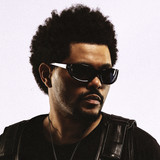
The Weeknd: After Hours Til Dawn Tour
r&b alternative r&b -
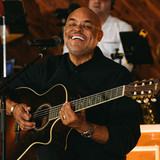
Israel & New Breed ['TIL THE WHOLE WORLD KNOWS TOUR 2026] - Live in Bangkok
other gospelA list of artists performing at the concert.Artists
from ฿1800 -
-
-
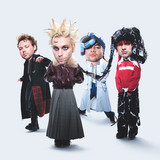
My Chemical Romance - South East Asia Tour
rock emo -
MELT FESTIVAL
hip-hop thai hip hopA list of artists performing at the concert.Artists
-
YOUNGOHMThai hip hop Headliner
-
YELLOW FANGThai rock Headliner
-
Phum ViphuritBedroom pop Headliner
-
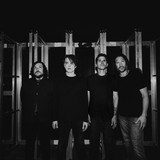
Solitude is BlissThai indie rock Headliner
-
YEWThai pop Headliner
-
SafeplanetThai pop Headliner
-
Television OffThai pop Headliner
-
SlurThai rock Headliner
-
CORNBOIThai indie pop Headliner
-
Moving and CutThai pop Headliner
-
YENTEDThai pop Headliner
-
Whal & DolphThai pop Headliner
-
YoungguThai hip hop Headliner
-
Diamond MQTThai hip hop Headliner
-
GunnerThai hip hop Headliner
-
Srirajah RockersOther Headliner
-
ADOYHeadliner
-
Reality ClubIndonesian indie Headliner
-
No BusesJapanese indie Headliner
-
WIMHeadliner
-
พราวThai rock Headliner
-
pamiHeadliner
-
JPBSPost-rock Headliner
-
Bomb at TrackThai rock Headliner
-
James AlynHeadliner
from ฿1299 -
-
JOJI : SOLARIS
r&b alternative r&b -